Best Creatine Supplements for GLP-1 Users
Creatine monohydrate is arguably the most important supplement in the GLP-1 toolkit. With up to 40% of weight lost potentially coming from lean muscle, and creatine having decades of evidence for supporting muscle mass and strength — the case for creatine on GLP-1 therapy is stronger than almost any other supplement.
Last updated: April 6, 2026
Creatine monohydrate may be the most important supplement in the GLP-1 toolkit — and the most underutilized. The risk is clear: up to 40% of weight lost on semaglutide and tirzepatide can come from lean muscle rather than fat without adequate protein and exercise. Creatine directly addresses this by making muscle cells more resistant to atrophy, supporting the cellular energy systems that power resistance exercise, and improving exercise performance — which in turn produces a stronger muscle-preserving stimulus. Three to five grams daily, taken consistently, is the entire protocol. Browse all muscle support supplements for GLP-1 users.
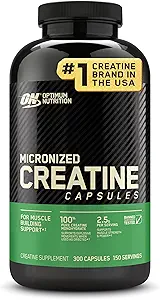
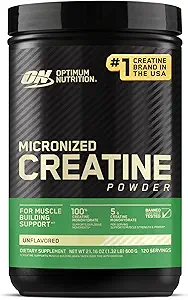
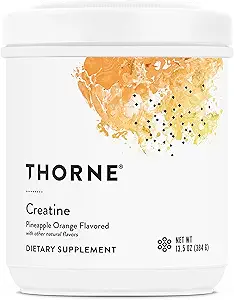
The evidence base for creatine monohydrate is one of the most extensive in sports nutrition — over 500 peer-reviewed studies have been published on creatine supplementation, and the consistency of findings is unusual in this field. Creatine increases intramuscular phosphocreatine stores, allowing more ATP (cellular energy) to be produced during short-duration, high-intensity efforts. For GLP-1 users, the practical benefit is: better quality resistance exercise with the same effort, faster recovery between sets, and — critically — a more potent muscle-preserving stimulus from each workout. Optimum Nutrition Creatine Monohydrate Powder is the most widely used formulation; THORNE Creatine is NSF Certified for Sport — the go-to choice for Mounjaro users managing diabetes and multiple medications.
No loading phase is necessary. The traditional loading protocol (20g/day for 5–7 days) saturates muscle creatine stores faster but produces the same endpoint as simply taking 3–5g daily for 3–4 weeks. For GLP-1 users managing nausea and GI sensitivity, avoiding large creatine doses is strongly preferred — 20g/day commonly causes GI distress including bloating, cramping, and diarrhea. Three to five grams per day taken consistently produces full muscle saturation within 28 days with minimal GI impact. Mix unflavored creatine into water, a protein shake, or juice — it dissolves easily and has minimal flavor. Pair with adequate protein intake for maximum muscle preservation.
Creatine monohydrate is the only form of creatine worth taking for GLP-1 users. More expensive alternatives — Kre-Alkalyn (buffered creatine), creatine HCl, creatine ethyl ester, creatine nitrate — have not demonstrated superiority to monohydrate in head-to-head trials, and several have shown inferior results. BulkSupplements Creatine Monohydrate is the best-value option for users who want pure micronized creatine without any fillers or flavoring. See also the muscle loss prevention guide for the complete resistance exercise and protein framework.
Why this matters on GLP-1 therapy
This guide focuses on muscle supplementation for GLP-1 users — one of the most commonly under-addressed aspects of GLP-1 therapy. Adequate muscle support is considered essential by most GLP-1-informed practitioners.
What to look for in a muscle supplement for GLP-1 users
- 1
Creatine monohydrate — specifically, no other form
This is the most important criterion. Every study on creatine's efficacy has been conducted on monohydrate. The alternative forms (HCl, ethyl ester, Kre-Alkalyn) are marketed as superior but have not demonstrated this in controlled trials. Monohydrate is also the least expensive form by a significant margin. Check the label to confirm the ingredient reads "creatine monohydrate" — not a proprietary blend.
- 2
Micronized powder for better mixability
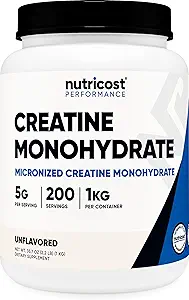
Micronized creatine has been processed to a finer particle size, which mixes better in liquid without settling or grittiness. Non-micronized creatine can be chalky and difficult to mix fully. All of the top brands — Optimum Nutrition, Thorne, Nutricost, BulkSupplements — sell micronized creatine monohydrate.
- 3
Minimal ingredients — pure creatine, nothing else
Creatine does not need additives to work. Products that add sodium, carbohydrates, or proprietary blends alongside creatine are adding cost without proven benefit. The purest options are unflavored creatine monohydrate powder with nothing else listed in the ingredients. Avoid "creatine cocktail" products that mix creatine with stimulants, beta-alanine, or multiple amino acids.
- 4
Third-party tested for Mounjaro/Ozempic users on multiple medications
For users managing type 2 diabetes or taking multiple prescription medications, third-party testing provides meaningful reassurance that creatine powder does not contain contaminants or undisclosed substances that could interact with pharmaceuticals. Thorne Creatine (NSF Certified for Sport) and Naked Creatine are the leading third-party certified options.
- 5
Reasonable serving size at 3–5g per serving
Products that list a 5g serving size with a scoop that actually measures 5g are preferable to those with oversized scoops that require estimation. Several creatine products on the market include 10g scoops, which is double the recommended dose and increases GI side effect risk unnecessarily. Check that the included scoop matches the recommended serving size on the label.
What to avoid
Non-monohydrate creatine forms (HCl, ethyl ester, Kre-Alkalyn)
These are marketed as superior to monohydrate with claims of better absorption, fewer side effects, or more effectiveness. The evidence does not support these claims. Creatine HCl costs 3–5x more than monohydrate per serving with no demonstrated superiority. Kre-Alkalyn's "buffered" claim has been specifically tested and found to produce no advantage. Save the money.
Creatine products mixed with stimulants or pre-workout ingredients
Pre-workout products that include creatine alongside 150–300mg of caffeine, beta-alanine, citrulline, and other performance ingredients are inappropriate for GLP-1 users managing GI sensitivity. Stimulants amplify nausea and can cause heart palpitations at the sensitized baseline that semaglutide creates. Take creatine as a standalone supplement without stimulant co-ingredients.
Unnecessary creatine loading protocols
A 20g/day loading phase for 5–7 days is sometimes recommended in older bodybuilding literature. For GLP-1 users, this approach commonly causes significant GI distress — bloating, cramping, diarrhea — on top of existing medication side effects. Simply take 3–5g daily for 28 days. The endpoint is identical and the GI experience is dramatically better.
Our top picks for muscle on GLP-1
Ranked by evidence quality and customer ratings. All products are independently selected.
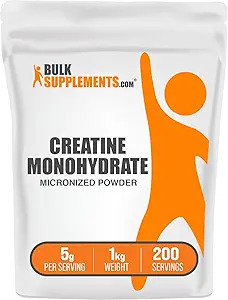
BulkSupplements
BulkSupplements.com Creatine Monohydrate Powder - Micronized Creatine Powder - Pure & Gluten Free
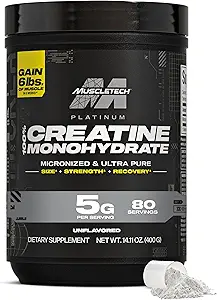
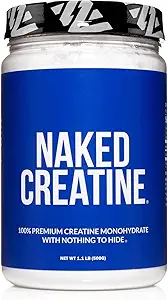
NAKED
NAKED Pure Micronized Creatine Monohydrate
Available in multiple sizes (1 lb, 2 lb, 5 lb)
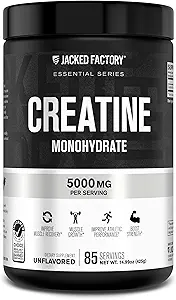
Jacked Factory
Jacked Factory Creatine Monohydrate Powder - Daily Creatine Supplement for Men and Women
Browse all muscle products
Filter by form, evidence tier, and dietary needs
Frequently asked questions
Should I take creatine on Ozempic or Wegovy?
Yes — creatine is one of the highest-evidence supplements for GLP-1 users. With up to 40% of weight lost on Ozempic potentially coming from lean muscle, creatine supports muscle preservation by improving exercise quality and recovery. Three to five grams of creatine monohydrate daily, combined with resistance exercise and adequate protein, is the most evidence-supported approach to maintaining lean mass during GLP-1 therapy.
Does creatine cause water retention on GLP-1 medications?
Creatine does cause mild water retention — it pulls water into muscle cells as part of its mechanism. This typically adds 1–3 pounds of water weight in the first 2–4 weeks of creatine supplementation. For GLP-1 users tracking weight loss, this can temporarily obscure fat loss progress on the scale. Use a body composition scale to track fat mass separately from lean mass and water — you will see fat loss continuing even as lean mass and hydration improve.
What is the best creatine for GLP-1 users?
Optimum Nutrition Micronized Creatine Monohydrate Powder is the most widely used option — excellent mixability, consistently pure, and among the best values. THORNE Creatine is the best choice for users who want NSF Certified for Sport verification. BulkSupplements Creatine offers the best per-gram value for long-term use.
When should I take creatine on Ozempic?
Timing of creatine intake matters much less than consistency. Daily creatine at any time of day produces the same muscle saturation as precisely timed dosing. The most practical approach is to take creatine with your morning protein shake — pairing it with a routine you already have increases adherence. Post-workout timing has a slight theoretical advantage for muscle protein synthesis but is not meaningfully superior to any other time of day.
Is creatine safe for Mounjaro users managing diabetes?
Yes. Decades of safety data show creatine monohydrate is safe for people with type 2 diabetes. Some research actually suggests creatine may modestly improve insulin sensitivity and glucose metabolism, which would be complementary to tirzepatide's mechanism. Users with pre-existing kidney disease should discuss creatine with their prescriber, as creatine supplementation increases creatinine levels in urine — a marker that can be misinterpreted as kidney dysfunction without clinical context.
How long before I see results from creatine on GLP-1 medications?
Muscle creatine saturation takes 3–4 weeks at 3–5g per day (or 1 week with loading, not recommended). You may notice improved workout performance — more reps, faster recovery — within the first week at higher body stores. The lean mass preservation benefit is cumulative and most apparent at 3–6 months, when the difference between users who supplemented with creatine and those who did not becomes measurable on body composition scans.
Related guides
This page contains affiliate links. We may earn a commission on purchases at no additional cost to you. Nothing on this site constitutes medical advice. Always consult your healthcare provider before starting any supplement regimen alongside GLP-1 medications.