Best Smart Scales for Ozempic Users
A regular bathroom scale tells you almost nothing useful if you're on Ozempic. The number going down could mean fat loss — or it could mean muscle loss, which represents up to 40% of weight lost on semaglutide. A body composition scale that measures fat mass and lean mass separately is a fundamental tool for anyone taking GLP-1 medications seriously.
Last updated: April 6, 2026
A standard bathroom scale is actively misleading for Ozempic users. It cannot tell you what matters most: how much of the weight you are losing is fat versus lean muscle. With up to 40% of weight lost on semaglutide potentially coming from lean mass rather than fat, you need a way to distinguish fat loss from muscle loss on a weekly basis. Body composition scales using bioelectrical impedance analysis (BIA) provide this data at home, at any time, with no appointment needed. Browse all tracking tools for GLP-1 users.
BIA technology works by sending a low, imperceptible electrical current through your body and measuring the speed at which it travels through different tissues. Fat conducts electricity poorly; lean mass (which contains water) conducts it well. From the time differential, the scale calculates estimates of body fat percentage, lean mass, bone mass, and visceral fat. Consumer BIA scales are not as precise as clinical DXA scans — they can be off by 5–8% in absolute terms — but they are highly accurate for tracking relative changes over time. If your body fat percentage trends down and lean mass trends stable or up, your protein supplementation and creatine regimen is working as intended.
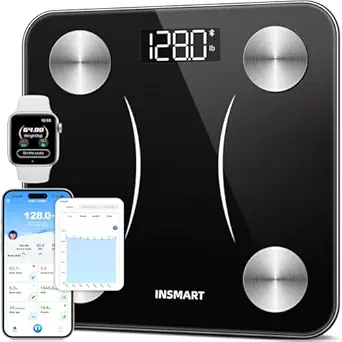
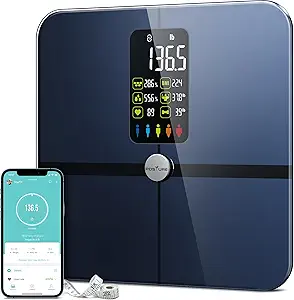
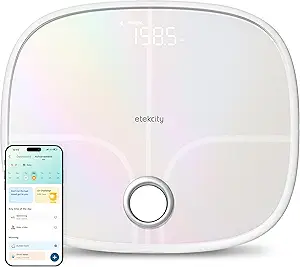
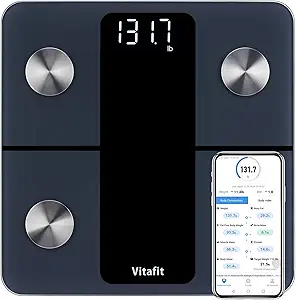
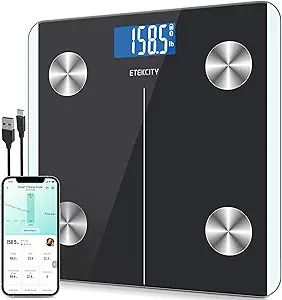
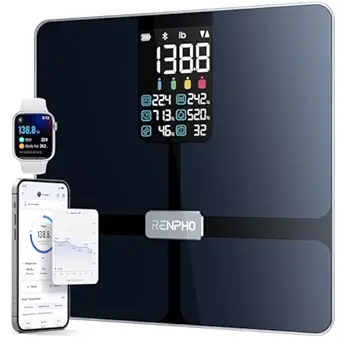
The Withings Body Smart is the premium option for Ozempic users who want medical-grade accuracy. Withings uses multi-frequency BIA with cardiovascular health metrics, and their scales are used in clinical research settings. The RENPHO Smart Scale is the most popular entry-level option — under $30, 13 body composition metrics, connects to a free app, and has over 100,000 Amazon reviews reflecting real-world reliability. Etekcity Smart Scale offers a middle-ground with rechargeable battery and a Secret Mode that displays only weight (without body composition metrics) for users who find the data triggering.
Consistency in measurement conditions is more important than which scale you buy. BIA body composition readings are sensitive to hydration status — even a moderate dehydration increases apparent body fat percentage artificially. Measure at the same time each day (first thing in the morning, after using the bathroom, before eating or drinking), in the same hydration state, on the same floor surface. Week-over-week and month-over-month trends are what provide actionable information — not individual data points. Pair consistent tracking with a protein supplement, creatine, and the resistance exercise framework in our muscle loss prevention guide.
Why this matters on GLP-1 therapy
This guide focuses on tracking supplementation for Ozempic users — one of the most commonly under-addressed aspects of GLP-1 therapy. Adequate tracking support is considered essential by most GLP-1-informed practitioners.
What to look for in a tracking supplement for Ozempic users
- 1
Tracks lean mass and fat mass separately — not just weight
The key metric for GLP-1 users is lean mass change over time. A scale that shows only total weight tells you almost nothing useful. Look for scales that display body fat percentage AND muscle mass (or lean mass), so you can calculate fat mass and lean mass from your total weight. All of the recommended products track both, along with 10+ additional body composition metrics.
- 2
Bluetooth app connectivity with historical trending
A scale that stores and visualizes historical data is dramatically more useful than a display-only model. Apps that show 30-, 90-, and 180-day trends in lean mass and fat mass let you assess whether your Ozempic supplement strategy is working over clinically meaningful timeframes. RENPHO, Withings, Etekcity, and Garmin all have well-reviewed companion apps with historical tracking.
- 3
Multi-user support for household use
Most smart scales support 8–16 user profiles. For households where multiple people use the scale, profile recognition — either by weight range or user identification — ensures body composition data is assigned to the correct person. Withings and Garmin scales handle multi-user environments with particular reliability.
- 4
Visceral fat measurement
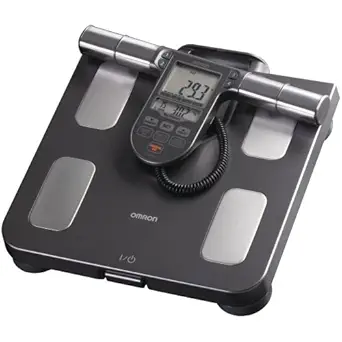
Visceral fat — the fat stored around abdominal organs rather than under the skin — is the metabolically dangerous type most directly associated with type 2 diabetes and cardiovascular risk. This is also the fat most significantly reduced by GLP-1 therapy. A scale that measures visceral fat level (OMRON, Withings) lets you track the most clinically significant aspect of body composition change on Ozempic.
- 5
Accuracy and validation against DXA reference
Consumer BIA scales vary significantly in accuracy. Withings and OMRON have published validation data comparing their measurements to DXA (the clinical gold standard). Brands with published validation studies are more likely to give consistent, clinically meaningful readings than unvalidated scales that may be systematically off in ways that obscure real change.
What to avoid
Standard weight-only bathroom scales
A scale that only measures total weight provides almost no useful information for GLP-1 users. Five pounds of weight loss that is entirely lean mass is far worse than two pounds of weight loss that is entirely fat. Without body composition data, you cannot distinguish between a successful fat-loss month and a muscle-loss month. The price difference between a body composition scale and a standard scale is now $20–30 at the entry level.
Taking body fat readings at random times of day
BIA readings are acutely sensitive to hydration, meals, exercise, and time of day. A reading taken after lunch will show a higher apparent body fat percentage than the same person measured first thing in the morning, fasted. This variation can be 3–5% body fat — enough to mask real change completely. Establish a consistent measurement protocol (morning, post-bathroom, pre-food/drink) and never compare readings taken under different conditions.
Obsessive daily checking and acting on single data points
Body weight and composition fluctuate by 2–5 pounds daily from normal variation in hydration, food volume, hormones, and bowel habits. Acting on a single "bad" reading — by restricting food or changing your supplement protocol — is a mistake. Use a 7-day rolling average or simply focus on weekly trends rather than daily numbers. Apps like Withings and RENPHO can display rolling averages automatically.
Our top picks for tracking on Ozempic
Ranked by evidence quality and customer ratings. All products are independently selected.
Browse all tracking products
Filter by form, evidence tier, and dietary needs
Frequently asked questions
Why do I need a special scale on Ozempic?
Because the number on a regular scale is actively misleading. Ozempic users can lose 5 pounds in a month where 2 pounds was fat and 3 pounds was lean muscle — the scale shows "good progress" but the body composition change was negative. A body composition scale that tracks fat mass and lean mass separately shows you what is actually happening, allowing you to adjust protein intake and exercise if lean mass loss is detected early.
Are BIA body composition scales accurate?
BIA scales are accurate enough for tracking trends, which is what matters for Ozempic users. In absolute terms, consumer BIA scales can be off by 3–8% body fat compared to DXA. However, the error is consistent with the same device, same person, same conditions — so a 2% decrease in body fat over 3 months is real even if the absolute number is not lab-accurate. Withings and OMRON have published validation studies showing good correlation with DXA in normal-weight and overweight populations.
What is the best budget body composition scale for Ozempic users?
RENPHO Smart Scale is the top budget recommendation — under $30, 13 body composition metrics, bluetooth app, and an extensive real-world review base. Etekcity Smart Scale is a slightly higher tier option with rechargeable battery and Secret Mode (displays only weight) for users who find the body composition data emotionally triggering.
What is the best premium scale for Ozempic users?
Withings Body Smart is the premium recommendation — multi-frequency BIA, cardiovascular health metrics, medically validated technology, and the most refined companion app in the consumer scale category. The Garmin Index S2 is a strong alternative for users in the Garmin ecosystem. Both are approximately $100–150 compared to $20–30 for the budget options, with meaningfully better accuracy and data depth.
How often should I weigh myself on Ozempic?
Daily measurement at a consistent time produces the most useful trending data — apps can display rolling averages that smooth out daily fluctuation. If daily weighing increases anxiety or disordered thinking about food, weekly measurements at the same day and time are sufficient for meaningful trend tracking. The key is consistency: same time, same hydration state, same pre-measurement conditions every time.
Can the scale tell me if I'm losing muscle on Ozempic?
Yes — and this is precisely why body composition tracking is valuable on GLP-1 therapy. If total weight is declining but lean mass is also declining, your protein intake and resistance exercise are insufficient. If total weight is declining while lean mass holds stable or increases, you are losing primarily fat — the ideal outcome. A 3-month trend showing stable lean mass is strong evidence that your supplement and exercise protocol is working.
Related guides
This page contains affiliate links. We may earn a commission on purchases at no additional cost to you. Nothing on this site constitutes medical advice. Always consult your healthcare provider before starting any supplement regimen alongside GLP-1 medications.