Best Multivitamins for Ozempic Users
Eating 20–39% fewer calories — as most Ozempic users do — means proportionally fewer vitamins and minerals. Vitamin D deficiency is particularly common and has a direct relationship with GLP-1 signaling: D3 increases GLP-1 receptor expression and may amplify the medication's effectiveness. See what to take with Ozempic for the full supplement picture.
Last updated: April 6, 2026
Eating 20–39% fewer calories on Ozempic means taking in proportionally fewer vitamins and minerals. This is not a theoretical concern — real-world data from GLP-1 users consistently shows vitamin D deficiency as the most commonly diagnosed nutritional deficiency following GLP-1 initiation. A daily multivitamin acts as a nutritional safety net that costs under $1 per day. It is one of the most cost-effective interventions in the GLP-1 supplement stack. See what to take with Ozempic for the full picture.
Vitamin D3 deserves specific emphasis. Research shows that D3 increases GLP-1 receptor expression — in some studies up to ninefold at therapeutic doses. This means D3 deficiency may actually blunt the effectiveness of the medication itself. Ensuring adequate D3 through a multivitamin is one of the few supplement interventions with a potential direct effect on treatment outcomes, not just nutritional safety.
The micronutrients most commonly deficient in GLP-1 users are vitamin D3, B12, iron (in women), zinc, and magnesium. A comprehensive multivitamin addresses most of these with a single daily product. Browse all multivitamins for GLP-1 users to compare GLP-1-specific formulations alongside general options.
For Ozempic users managing type 2 diabetes who are also taking metformin, B12 deserves special attention. Metformin is known to deplete B12 through reduced ileal absorption — a well-documented drug-nutrient interaction. GLP-1 users on both medications should look for multivitamins with at least 500–1000mcg of B12, ideally in methylcobalamin form which is better absorbed than cyanocobalamin. Also ensure adequate protein intake to prevent muscle loss.
Why this matters on GLP-1 therapy
This guide focuses on multivitamin supplementation for Ozempic users — one of the most commonly under-addressed aspects of GLP-1 therapy. Adequate multivitamin support is considered essential by most GLP-1-informed practitioners.
What to look for in a multivitamin supplement for Ozempic users
- 1
At least 1000–2000 IU of vitamin D3
Vitamin D3 deficiency is the single most common nutritional deficiency in GLP-1 users, and D3 directly interacts with GLP-1 receptor expression. Many standard multivitamins include only 400–600 IU — too low for most GLP-1 users. Look for 1000–2000 IU minimum; users with confirmed deficiency may need a separate D3 supplement at higher doses under medical guidance.
- 2
Methylated B vitamins (B12 as methylcobalamin, folate as methylfolate)
Methylated forms are better absorbed than standard forms (cyanocobalamin for B12, folic acid for folate) — particularly important if you also take metformin, which depletes B12 through reduced absorption. Methylcobalamin also crosses the blood-brain barrier more efficiently, supporting the neurological functions that B12 governs.
- 3
Includes zinc and magnesium
Both are commonly depleted with reduced food intake. Zinc supports immune function and taste perception — important because altered taste is a reported side effect of GLP-1 therapy that can compound appetite loss. Magnesium supports sleep quality, muscle function, and bowel regularity — three areas commonly affected on GLP-1 therapy.
- 4
Tolerable format — gummy or soft gel over large tablets
Large multivitamin tablets can be difficult to swallow during the nausea phase and sometimes cause their own GI symptoms when taken on an empty stomach. Gummy vitamins and soft gel capsules are significantly better tolerated. Many GLP-1 users who struggle with tablet multivitamins have better adherence with gummy formats.
- 5
Third-party tested (NSF, USP, or Informed Sport certified)
Multivitamins are not regulated as strictly as pharmaceuticals. Third-party certification confirms that the label is accurate and that the product has been tested for contaminants. Particularly important for Mounjaro users managing diabetes who are likely taking multiple medications.
What to avoid
Multivitamins without vitamin D3 or with very low D3
Some budget multivitamins include D2 (ergocalciferol) instead of D3 (cholecalciferol), or include amounts well below 1000 IU. D2 is significantly less effective at raising blood vitamin D levels. Given the direct relationship between D3 and GLP-1 receptor expression, this is a meaningful gap — not a minor formulation quibble.
Iron supplementation for men who do not need it
Iron can cause or worsen constipation and GI symptoms that are already elevated on GLP-1 medications. Men rarely need supplemental iron unless blood tests confirm deficiency. Many men's multivitamins appropriately exclude iron; if using a general formula, check the label. Women of reproductive age typically do benefit from iron-containing multivitamins.
Very high doses of fat-soluble vitamins (A and E)
With reduced fat intake on GLP-1 therapy, the absorption dynamics of fat-soluble vitamins (A, D, E, K) change. Very high-dose vitamin A in particular can accumulate to problematic levels over time when dietary fat intake is low. Standard multivitamin doses (5000 IU vitamin A or less) are fine; megadose formulations that include 10,000+ IU of vitamin A warrant caution.
Our top picks for multivitamin on Ozempic
Ranked by evidence quality and customer ratings. All products are independently selected.

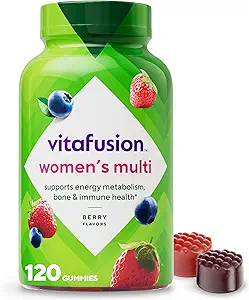
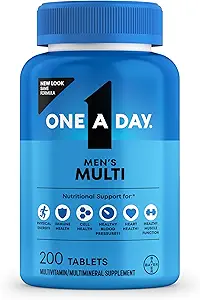
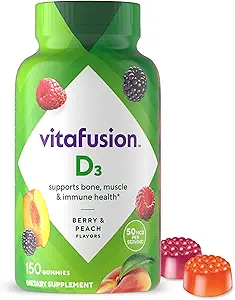
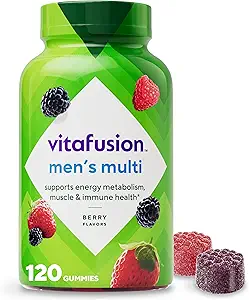
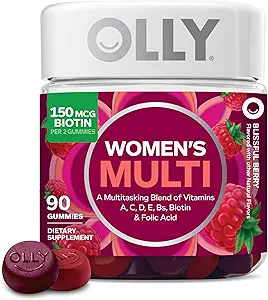
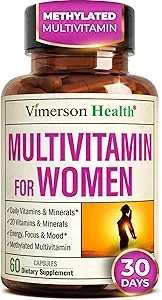
Vimerson Health
Multivitamin for Women with Methylated Vitamins and Chelated Minerals for Energy
Also available in a Men's multivitamin formula
Browse all multivitamin products
Filter by form, evidence tier, and dietary needs
Frequently asked questions
Do I need a multivitamin on Ozempic?
A multivitamin is strongly recommended by most GLP-1-informed nutritionists and dietitians. Eating 20–39% fewer calories means taking in proportionally fewer micronutrients from food. Real-world data consistently shows vitamin D, B12, zinc, and magnesium deficiencies in long-term GLP-1 users. A comprehensive multivitamin addresses these gaps with a single, affordable daily product.
What vitamins are people deficient in on Ozempic?
The most commonly identified deficiencies in GLP-1 users are vitamin D3 (most common), vitamin B12 (especially in metformin users), zinc, iron (primarily in women), and magnesium. Vitamin D deficiency has the most significant functional consequence of the group — research shows D3 directly increases GLP-1 receptor expression, meaning deficiency may blunt the effectiveness of your medication.
Can I take a multivitamin with Ozempic?
Yes — multivitamins are safe with Ozempic and are generally recommended. There are no clinically significant drug interactions between semaglutide and standard multivitamin formulations. Take your multivitamin with a meal or light snack rather than on an empty stomach to improve fat-soluble vitamin absorption and minimize any GI effects.
Is Centrum good for Ozempic users?
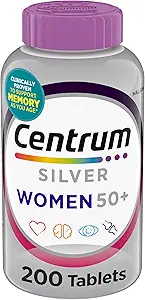
Centrum is a solid, accessible choice that covers the major nutritional gaps. Centrum Silver is particularly well-formulated for the age group most likely to be on GLP-1 therapy, with higher vitamin D and B12 than standard Centrum. Centrum has also launched Centrum Replenish, a GLP-1-specific formulation that explicitly targets this population with increased B vitamins, vitamin D, and digestive support.
What is the best GLP-1 specific multivitamin?
Youtheory GLP-1 Support Multi and Centrum Replenish are the two most prominent multivitamins formulated specifically for GLP-1 users. Both include higher vitamin D, methylated B vitamins, and digestive support ingredients. Whether the GLP-1-specific labeling is worth a price premium over Centrum Silver depends on your budget — the core nutritional profile is comparable.
When should I take my multivitamin on Ozempic?
Take your multivitamin with a meal that contains at least a small amount of fat — this significantly improves absorption of fat-soluble vitamins (A, D, E, K). Lunch or dinner is often better than breakfast for users who experience morning nausea. Avoid taking multivitamins on an empty stomach, which increases the likelihood of nausea and stomach upset on an already-sensitive GI system.
Related guides
This page contains affiliate links. We may earn a commission on purchases at no additional cost to you. Nothing on this site constitutes medical advice. Always consult your healthcare provider before starting any supplement regimen alongside GLP-1 medications.