Best Protein Powder for Wegovy Users
Wegovy delivers a higher dose of semaglutide than Ozempic, meaning more significant appetite suppression — and a greater risk of protein deficiency. Clinical trials show that weight loss on semaglutide includes a meaningful proportion of lean mass, which protein supplementation directly addresses.
Last updated: April 6, 2026
Wegovy delivers semaglutide at 2.4mg — nearly double the maximum dose used for diabetes management — making it the highest-dose approved GLP-1 medication for weight loss. With this comes more pronounced appetite suppression, more frequent nausea during dose escalation, and a greater cumulative risk of protein deficiency over the treatment period. Wegovy is typically prescribed for 12–24 months or longer, meaning muscle preservation is not a short-term concern but a sustained nutritional priority. Browse all protein supplements for GLP-1 users.
The STEP clinical trials for Wegovy showed average weight loss of 15% of body weight over 68 weeks — impressive results, but without adequate protein and resistance exercise, a meaningful proportion of that loss comes from lean mass rather than fat. Research on muscle loss during GLP-1 therapy consistently shows that protein supplementation is the primary modifiable factor determining how much of the weight lost is fat versus muscle. For Wegovy users on a longer treatment timeline, the compounding effect of inadequate protein over months is significant.
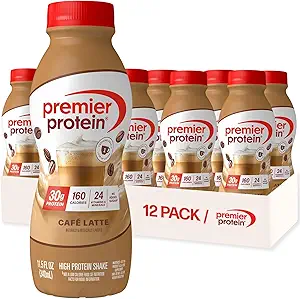
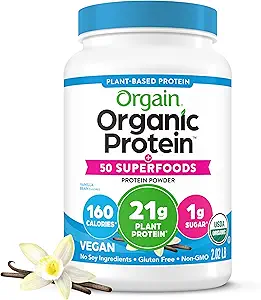
Plant-based protein powders deserve more consideration for Wegovy users than they often receive. Orgain Organic Vegan Protein uses a pea and brown rice protein blend that provides a complete essential amino acid profile, with the added benefit of prebiotic fiber to support gut health — particularly relevant given the constipation that affects up to 50% of Wegovy users. For dairy-based options, Premier Protein Powder offers 30g whey protein per serving at an accessible price point.
Per-meal protein targets matter as much as daily totals for Wegovy users. Clinical research on muscle protein synthesis shows the muscle-building response to protein has a ceiling of roughly 25–30g per meal — beyond this, the excess is oxidized for energy rather than building muscle. Spreading protein intake across breakfast, lunch, and dinner — rather than front-loading it at dinner — produces meaningfully better lean mass preservation. If Wegovy appetite suppression makes meals smaller and less frequent, protein shakes between meals close the gap without requiring large food volumes. For the complete supplement picture, see what to take with Ozempic.
Why this matters on GLP-1 therapy
This guide focuses on protein supplementation for Wegovy users — one of the most commonly under-addressed aspects of GLP-1 therapy. Adequate protein support is considered essential by most GLP-1-informed practitioners.
What to look for in a protein supplement for Wegovy users
- 1
Complete essential amino acid profile
Muscle protein synthesis requires all nine essential amino acids (EAAs), with leucine being the primary trigger for the anabolic response. Whey protein contains all EAAs with a high leucine content (~2.7g per 25g serving). Plant-based options like pea protein are somewhat lower in leucine — a pea+rice blend compensates by providing complementary amino acid profiles. Look for products listing their full amino acid profile on the label.
- 2
Formulated for sustained daily use, not performance
Wegovy users need a protein powder that works as a daily nutritional supplement, not a pre-workout or bodybuilding product. This means clean ingredient lists without stimulants (caffeine, beta-alanine), artificial colors, or proprietary blends that obscure what you are actually taking. Products with simple labels — protein source, natural flavor, sweetener, lecithin — are most appropriate.
- 3
GI-friendly formulation
Wegovy users frequently deal with nausea, constipation, and general GI sensitivity throughout the treatment period. Protein powders with minimal additives, no sugar alcohols, and either whey isolate (low lactose) or plant-based protein (no dairy) are significantly better tolerated. Digestive enzyme blends (lipase, protease, amylase) added to protein powders can improve digestion further.
- 4
Reasonable calorie density (150–200 calories per serving)
Wegovy users are in active caloric deficit by design. Protein powders that sneak in extra calories through added fats, carbohydrates, or sugars undermine the treatment goal. Target protein powders with 100–200 calories per serving that get most of those calories from protein itself, not from fillers.
- 5
Shelf stability and convenient packaging
Wegovy is a long-term prescription, and adherence to protein supplementation is as important as medication adherence. Products in single-serve packets eliminate the need for scooping and measuring when already dealing with nausea-related food aversion. Stick packs and travel-friendly packaging make consistent daily protein intake significantly easier.
What to avoid
Incomplete plant proteins without complementary blending
Single-source plant proteins like pure pea protein or pure rice protein are nutritionally incomplete — they lack sufficient quantities of one or more essential amino acids. Pea protein is low in methionine; rice protein is low in lysine. Products that blend pea + rice, or pea + hemp, create a complete profile. Always check that a plant-based protein powder lists a blend rather than a single plant source.
Protein powders with added creatine (if dosing creatine separately)
Some protein powders include 1–3g of creatine per serving as a marketing feature. If you are also taking a standalone [creatine supplement](/guides/best-creatine-for-glp1-users) — which is highly recommended for Wegovy users — you may inadvertently take double doses on days you use both products. Stick to protein-only powders and dose creatine separately at 3–5g/day for predictable outcomes.
High-sodium protein powders
Some protein powders — particularly flavored whey concentrates — contain 200–400mg of sodium per serving. On its own this is not harmful, but Wegovy users who are also managing blood pressure or sodium intake for other health reasons should read labels carefully. Unflavored protein powders typically have under 50mg sodium per serving.
Our top picks for protein on Wegovy
Ranked by evidence quality and customer ratings. All products are independently selected.
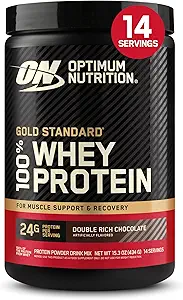
Optimum Nutrition
Optimum Nutrition Gold Standard 100% Whey Protein Powder
Available in 20+ flavors. See also: Ice Cream flavor (B000GISU1M) and French Crème (B000QSO3FO) on this site.
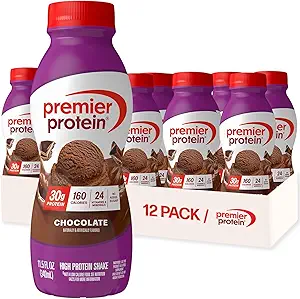
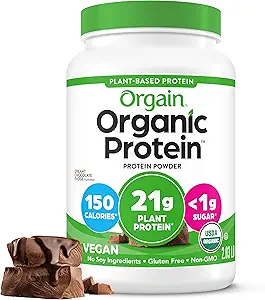
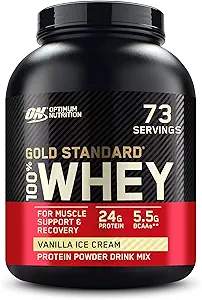
Optimum Nutrition
Optimum Nutrition Gold Standard 100% Whey Protein Powder Ice Cream
Available in 20+ flavors. See also: Double Rich Chocolate (our top pick) and French Crème on this site.
Isopure
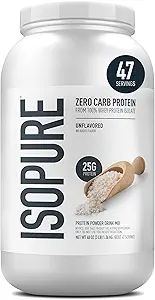
Isopure Zero Carb 100% Pure Whey Isolate Protein Powder
Available in multiple flavors including Creamy Vanilla. We recommend the unflavored / Dutch Chocolate variant as the canonical pick.
Browse all protein products
Filter by form, evidence tier, and dietary needs
Frequently asked questions
Do I need protein powder on Wegovy?
Yes, for most users. Wegovy suppresses appetite enough that hitting 1.2–1.6g of protein per kilogram of body weight through food alone is very difficult — particularly during the first months of treatment and after each dose increase. Without adequate protein, a significant portion of the weight you lose on Wegovy will come from lean muscle rather than fat, undermining your long-term metabolic health. A daily protein supplement is the most practical way to close this gap.
What is the best protein powder for nausea on Wegovy?
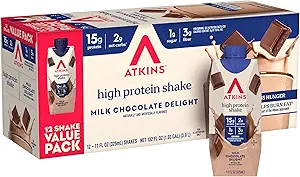
For nausea specifically, the best options are whey isolate (lowest fat and lactose, fastest digesting) or a light plant-based protein in a cold, diluted shake. Isopure Zero Carb is pure whey isolate with no fat or carbs. Mix it thin with cold water rather than milk during high-nausea periods. If even this is hard to tolerate, ready-to-drink shakes sipped slowly are better tolerated than powder-based options.
How long do I need to take protein powder on Wegovy?
For the full duration of your Wegovy treatment — typically 12+ months — and ideally beyond. The muscle-preservation benefit of adequate protein intake is continuous: once you stop meeting your protein target, muscle loss risk resumes. Many users make protein supplementation a permanent habit even after reaching their weight goal, as maintaining adequate protein intake remains important during weight maintenance.
Is plant-based protein as effective as whey for muscle preservation on Wegovy?
Yes, provided the plant-based protein provides a complete essential amino acid profile. A pea+rice protein blend at 25–30g per serving produces equivalent muscle protein synthesis to whey in most study populations. The practical difference is that you may need slightly more plant protein per serving to match the leucine content of whey — aim for 30g of plant protein vs 25g of whey for comparable effect.
Can I mix protein powder in food on Wegovy?
Yes — mixing unflavored protein powder into foods is a great strategy when eating solid meals is more tolerable than drinking a shake. Unflavored whey isolate or plant-based protein can be stirred into Greek yogurt, oatmeal, soup, or scrambled eggs with minimal flavor impact. This works particularly well for users who struggle with the texture or taste of protein shakes during the nausea phase.
What protein supplements does Wegovy documentation recommend?
The Wegovy prescribing information does not recommend specific protein products, but the clinical guidelines that accompany GLP-1 prescriptions consistently recommend 1.2–1.6g of protein per kg body weight daily, and most GLP-1-informed registered dietitians recommend protein supplementation to help meet this target. The Obesity Medicine Association guidelines on GLP-1 therapy explicitly address the muscle loss risk and the role of protein adequacy.
Related guides
This page contains affiliate links. We may earn a commission on purchases at no additional cost to you. Nothing on this site constitutes medical advice. Always consult your healthcare provider before starting any supplement regimen alongside GLP-1 medications.