Best Electrolyte Supplements for Ozempic Users
Dehydration is one of the most underappreciated side effects of Ozempic. Between the reduced appetite suppressing fluid intake, the nausea discouraging drinking, and the kidneys excreting more sodium as carbohydrate intake drops, Ozempic users are at meaningful dehydration risk.
Last updated: April 6, 2026
Dehydration is one of the most underappreciated side effects of Ozempic — and one of the most practically solvable. Multiple mechanisms combine on semaglutide: appetite suppression reduces fluid intake (thirst is partly driven by eating), nausea makes drinking unpleasant, and reduced carbohydrate intake causes kidneys to excrete more sodium, taking water with it. The result is a meaningful dehydration risk even for users who feel like they're drinking enough.
Standard sports drinks are not the answer. Gatorade and Powerade were formulated for athletic sweat replacement — they contain too much sugar (21–34g per bottle) and too little sodium to address the specific dehydration profile of GLP-1 users. Products formulated closer to oral rehydration solution (ORS) ratios — with 500–1000mg sodium, potassium, and magnesium — are what clinical guidance recommends. Browse all electrolyte supplements for GLP-1 users.
The timing matters too. The best use of electrolytes on Ozempic is first thing in the morning before coffee, and during any period when nausea makes plain water difficult to keep down. A half-serving mixed in 20oz of water, sipped over an hour, is often easier to tolerate than drinking large quantities of plain water during active nausea. See our complete guide to managing nausea on GLP-1 medications for the full strategy.
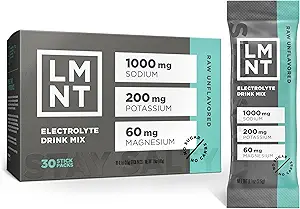
Magnesium deserves specific attention for users who also experience constipation — a common co-occurrence with dehydration. Magnesium citrate at doses of 150–300mg has both electrolyte benefits and gentle laxative effects, making it a dual-purpose supplement in this context. LMNT includes 60mg magnesium; for constipation, supplementing with additional magnesium glycinate at night is often recommended by GLP-1-informed practitioners. For a full overview of supplements for semaglutide users, see what to take with Ozempic.
Why this matters on GLP-1 therapy
This guide focuses on electrolytes supplementation for Ozempic users — one of the most commonly under-addressed aspects of GLP-1 therapy. Adequate electrolytes support is considered essential by most GLP-1-informed practitioners.
What to look for in a electrolytes supplement for Ozempic users
- 1
High sodium content (500–1000mg per serving)
Standard sports drinks provide 200–300mg sodium per serving. GLP-1 users losing sodium through reduced carbohydrate intake and nausea-induced fluid losses need significantly more. LMNT (1000mg) and DripDrop (460mg) are calibrated for this range. Anything under 300mg is unlikely to meaningfully address GLP-1 dehydration.
- 2
No added sugar or low sugar only
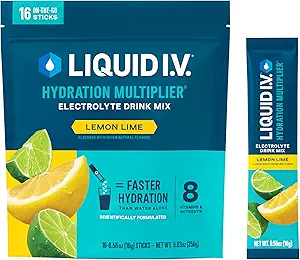
The one exception is products using the sodium-glucose cotransport mechanism for rapid rehydration (like Liquid I.V.). These use a small amount of sugar (10–12g) functionally — it accelerates absorption. Everything else should have minimal or no sugar to avoid counteracting the metabolic goals of GLP-1 therapy.
- 3
Complete electrolyte triad: sodium + potassium + magnesium
Sodium alone isn't sufficient. The typical GLP-1 user deficiency pattern includes all three electrolytes. Magnesium is particularly important for users also experiencing constipation or muscle cramping. Look for at least 200mg potassium and 30–60mg magnesium alongside sodium.
- 4
Powder or drops format rather than ready-to-drink
Powder and drop formats let you titrate your dose — starting at half a serving when tolerance is low during nausea phases, and scaling up as needed. Pre-mixed electrolyte drinks commit you to a full serving, which can be too much early in treatment.
- 5
Under 25 calories per serving
Electrolyte supplements should add fluid and minerals, not significant calories. High-calorie electrolyte drinks (some have 80–150 calories) add unnecessary burden to calorie tracking and may partially offset the metabolic progress of GLP-1 therapy.
What to avoid
Standard sports drinks (Gatorade, Powerade, Pedialyte Sport)
These are calibrated for athletic sweat replacement: high sugar, modest sodium, minimal magnesium. For GLP-1 users, the sugar content (21–34g per bottle) is counterproductive and the sodium levels are too low to address the specific dehydration mechanism. Plain Pedialyte (not Pedialyte Sport) is better — it has higher sodium and lower sugar — but dedicated GLP-1-appropriate products like LMNT or DripDrop are more targeted.
Vitamin C megadose electrolyte blends
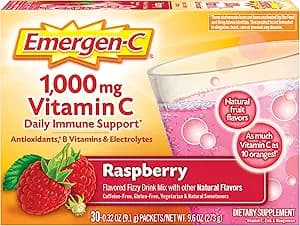
Some electrolyte products pack in 500–1000mg of vitamin C per serving as a marketing feature. At GI-sensitive baseline on GLP-1 therapy, high-dose vitamin C can cause stomach upset, nausea, and diarrhea — exactly the symptoms you're trying to manage. Standard electrolyte products that include modest vitamin C (25–100mg) are fine.
Carbonated or effervescent electrolyte tablets
Bloating and gas are already elevated on GLP-1 medications. Effervescent electrolyte tablets that fizz in water (Nuun, certain Emergen-C formats) create carbonation in the stomach that worsens bloating significantly for most users. Stick to powder or liquid concentrate formats.
Our top picks for electrolytes on Ozempic
Ranked by evidence quality and customer ratings. All products are independently selected.

Drink LMNT
LMNT Zero Sugar Electrolytes
Also available in: 12-count, 18-count bundle, Raw Salt 30-count, and 30+ other flavors
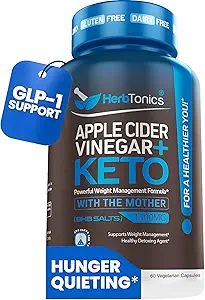
Herbtonics
Herbtonics Apple Cider Vinegar + Keto BHB Capsules | GLP-1 Support for Appetite
GLP-1 Labeled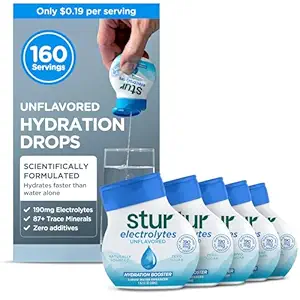
Stur
Stur Electrolyte Drops | Source of B Vitamins for Instant Hydration | No Sugar
Unsweetened version. Stur also makes a stevia-sweetened electrolyte enhancer for those who prefer a light flavor.
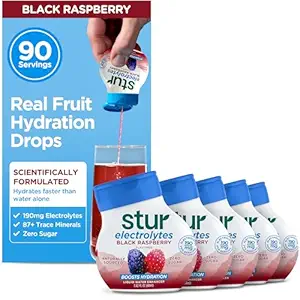
Stur
Stur Electrolyte Water Enhancer | Sweetened with Stevia | High in Antioxidant Vitamin C | Sugar Free | Zero Calories | Keto | Vegan | 5 Bottles
Stevia-sweetened version. Stur also makes an unsweetened electrolyte drop for those avoiding all sweeteners.
Browse all electrolytes products
Filter by form, evidence tier, and dietary needs
Frequently asked questions
Why do I get dehydrated on Ozempic?
Multiple mechanisms stack on Ozempic: reduced appetite suppresses thirst (thirst is partly triggered by eating), nausea makes drinking uncomfortable, vomiting directly depletes fluid, and reduced carbohydrate intake causes kidneys to excrete more sodium — pulling water with it. This combination creates meaningful dehydration even for users who think they're drinking enough water, which is why electrolyte supplementation rather than plain water is the recommended approach.
What electrolytes should I take on Ozempic?
The priority order is sodium first, then potassium and magnesium. LMNT provides 1000mg sodium, 200mg potassium, and 60mg magnesium per packet — the most recommended formula in the GLP-1 user community. DripDrop and Liquid I.V. are more accessible alternatives. All three significantly outperform standard sports drinks for the specific electrolyte profile GLP-1 users need.
Can I use Liquid I.V. on Ozempic?
Yes. Liquid I.V. uses a sodium-glucose cotransport mechanism that makes it highly effective for rapid rehydration — the same approach used in medical oral rehydration solutions. The sugar content (11g per stick) serves a functional absorption purpose. It is a solid option for users who find LMNT's very high sodium level too intense, or who prefer the slightly sweeter taste.
How much water should I drink on Ozempic?
Aim for at least 64–80oz of fluid daily, including electrolyte drinks. Signs of under-hydration on Ozempic include persistent headaches, dark urine, constipation, and worsened nausea. If plain water is hard to keep down, small sips of diluted electrolyte solution throughout the day is more effective than trying to drink large volumes at once.
Is LMNT safe to use every day on Ozempic?
Yes, for most users. LMNT's 1000mg sodium is within the recommended daily intake range for healthy adults (1500–2300mg). If you have hypertension, kidney disease, or heart failure, discuss daily high-sodium electrolyte use with your prescriber before starting. Most GLP-1 users without these conditions tolerate daily LMNT very well, and many find it significantly improves their energy and nausea symptoms.
Do electrolytes help with Ozempic nausea?
Indirectly, yes. Electrolytes address the dehydration component that often amplifies nausea — lightheadedness, headache, and general malaise from fluid depletion can all make nausea feel worse. Staying well-hydrated with electrolytes does not block the GLP-1 receptor mechanism causing nausea, but it removes one layer of the problem. Read our full guide to managing nausea on Ozempic and Wegovy for additional strategies.
Related guides
This page contains affiliate links. We may earn a commission on purchases at no additional cost to you. Nothing on this site constitutes medical advice. Always consult your healthcare provider before starting any supplement regimen alongside GLP-1 medications.