Best Protein Powder for Ozempic Users
Ozempic (semaglutide) reduces appetite by up to 39%, making it dangerously easy to under-eat protein. Without adequate protein, up to 40% of the weight you lose on Ozempic can come from lean muscle — not fat. Protein powder becomes less of a fitness supplement and more of a nutritional necessity.
Last updated: April 6, 2026
Protein powder is the single most impactful supplement you can add to your Ozempic regimen. When semaglutide suppresses appetite by up to 39%, the first macronutrient to fall critically short is protein — and up to 40% of the weight you lose on Ozempic can come from lean muscle, not fat, if protein intake is insufficient. A daily protein powder habit directly counters this, turning more of your weight loss into fat loss rather than muscle loss.
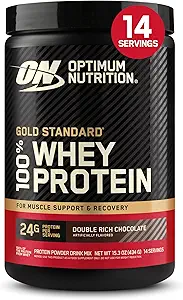
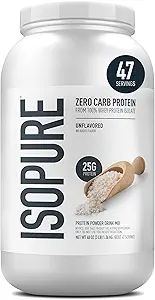
Clinical guidelines for GLP-1 users recommend 1.2–1.6 grams of protein per kilogram of body weight daily. For a 175-pound (80kg) person, that means 96–128 grams per day — nearly impossible to hit through food alone when eating 20–39% less. Optimum Nutrition Gold Standard Whey provides 24g of whey protein per serving and is one of the most trusted, consistently third-party tested options on the market. Isopure Zero Carb Whey Isolate is an excellent choice for users who need zero lactose and maximum protein purity. Browse all protein supplements for Ozempic users to compare options.
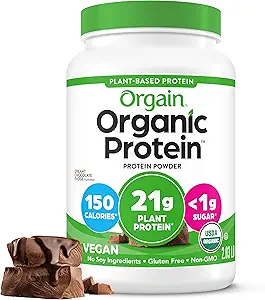
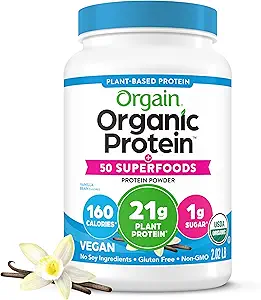
Whey isolate — the most processed, highest-purity form of whey protein — is the best-tolerated option during the GI adjustment phase on Ozempic. Compared to whey concentrate, isolate has had most of the lactose and fat removed through additional filtration. Since GLP-1 medications already slow gastric emptying, fat and lactose in protein powder can worsen nausea and bloating. If you are dairy-sensitive, Orgain Organic Vegan Protein offers a complete amino acid profile from pea and brown rice protein with no dairy. See also our guide to best protein shakes for Ozempic if you prefer a ready-to-drink format.
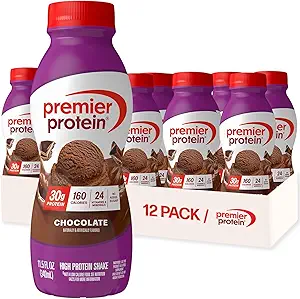
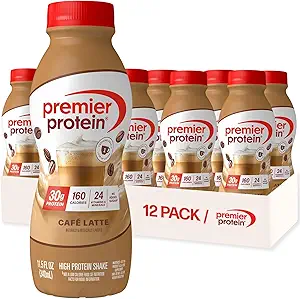
Timing and distribution matter. Research on muscle protein synthesis shows that spreading protein across 3–4 daily servings — rather than consuming it all at once — more effectively supports lean mass preservation. On Ozempic, many users find a protein shake as their first meal of the day, a Premier Protein RTD as a mid-morning snack, and a high-protein dinner is a sustainable pattern even during peak appetite suppression. For the full supplement strategy on semaglutide, see what to take with Ozempic.
Why this matters on GLP-1 therapy
This guide focuses on protein supplementation for Ozempic users — one of the most commonly under-addressed aspects of GLP-1 therapy. Adequate protein support is considered essential by most GLP-1-informed practitioners.
What to look for in a protein supplement for Ozempic users
- 1
At least 20–25g of protein per serving
This is the threshold shown in clinical research to maximally stimulate muscle protein synthesis per meal. Products with 10–15g of protein per serving require two servings to meet the threshold — adding unnecessary calories and cost. Whey isolate and whey concentrate typically hit 23–27g per 30g scoop.
- 2
Whey isolate or hydrolysate as the primary protein source
Whey isolate (WPI) and whey hydrolysate have nearly all lactose and fat removed, making them significantly better tolerated on semaglutide than whey concentrate (WPC). If the first ingredient reads "whey protein isolate," you have the cleanest option. Gold Standard Whey uses a blend with isolate listed first.
- 3
Third-party tested (NSF Certified for Sport or Informed Sport)
The protein powder industry has a documented contamination problem — independent testing has found products with less protein than labeled and traces of heavy metals. NSF Certified for Sport and Informed Sport certification means the product has been tested by an independent lab for both label accuracy and banned substances.
- 4
Under 5g of fat and 5g of sugar per serving
Fat slows gastric emptying, which semaglutide already significantly prolongs. High-fat protein powders (some have 6–10g per serving) meaningfully worsen nausea for a substantial portion of Ozempic users, particularly in the first 48 hours after injection. Sugar should be low to support the metabolic goals of treatment.
- 5
Mixability without a blender
When nausea reduces the appeal of preparing food, you want a protein powder that mixes cleanly in a shaker bottle with water or milk — no clumping, no grittiness. Micronized powders (finely processed) mix significantly better than coarse-ground options. Gold Standard Whey and Dymatize ISO100 are consistently top-rated for mixability.
What to avoid
Mass gainer or weight gainer proteins
Products like Optimum Nutrition Serious Mass are formulated for people trying to gain weight — they contain 1,200+ calories, 50g+ of carbohydrates, and often 10g of fat per serving. These are completely counterproductive for GLP-1 users and will worsen GI symptoms significantly. Check the label: if calories per serving exceed 200, it is not appropriate for Ozempic users.
Proteins with sugar alcohols or artificial sweeteners that cause GI distress
Some users on semaglutide become significantly more sensitive to sugar alcohols (sorbitol, xylitol, maltitol) and even high doses of sucralose. These can cause bloating, gas, and diarrhea on top of existing GLP-1 GI side effects. If you experience worsened GI symptoms after starting a protein powder, the sweetener is often the culprit — switch to an unsweetened or naturally sweetened option.
Casein protein as your primary daily powder
Casein is a slow-digesting milk protein that forms a gel in the stomach. While this is useful for overnight muscle recovery in bodybuilding contexts, it significantly prolongs gastric emptying on top of what semaglutide is already doing — often causing bloating, fullness, and discomfort. Whey or plant-based proteins are better choices as your daily Ozempic protein supplement. Casein before bed is fine for users who tolerate it.
Our top picks for protein on Ozempic
Ranked by evidence quality and customer ratings. All products are independently selected.
Optimum Nutrition
Optimum Nutrition Gold Standard 100% Whey Protein Powder
Available in 20+ flavors. See also: Ice Cream flavor (B000GISU1M) and French Crème (B000QSO3FO) on this site.
Optimum Nutrition
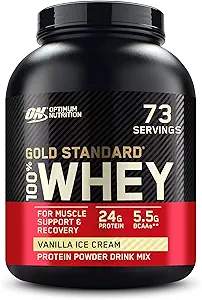
Optimum Nutrition Gold Standard 100% Whey Protein Powder Ice Cream
Available in 20+ flavors. See also: Double Rich Chocolate (our top pick) and French Crème on this site.
Isopure
Isopure Zero Carb 100% Pure Whey Isolate Protein Powder
Available in multiple flavors including Creamy Vanilla. We recommend the unflavored / Dutch Chocolate variant as the canonical pick.
Browse all protein products
Filter by form, evidence tier, and dietary needs
Frequently asked questions
What protein powder is best for Ozempic users?
Whey isolate is the best-tolerated and most effective option for most Ozempic users. Optimum Nutrition Gold Standard Whey (isolate-first blend, 24g protein, extensively third-party tested) and Isopure Zero Carb (pure whey isolate, zero carbs) are consistently the top community recommendations. For dairy-free, Orgain Organic Vegan is the leading plant-based option.
How much protein powder should I take on Ozempic?
Use protein powder to close the gap between what you eat through food and your daily protein target of 1.2–1.6g per kg of body weight. For most users, one to two 25g servings per day is sufficient. If you are eating very little — common in the first weeks after a dose increase — two servings may be needed. Spreading protein across the day (morning shake, post-workout, protein-forward dinner) produces better muscle protein synthesis than consuming it all at once.
Can I take protein powder on Ozempic without working out?
Yes, and you should. Protein powder on Ozempic is primarily a nutritional intervention to prevent muscle loss — not a performance supplement. Even sedentary users lose muscle mass when protein intake is insufficient during caloric restriction. That said, combining adequate protein with resistance exercise (even light resistance bands) produces significantly better lean mass outcomes than protein alone. See our muscle loss prevention guide for the evidence.
Is whey protein safe with Ozempic?
Yes. There are no clinically significant drug interactions between semaglutide and whey protein. The interaction to manage is practical: whey concentrate can worsen nausea due to its fat and lactose content. Whey isolate, which removes most of both, is significantly better tolerated. If you experience nausea after taking whey protein on Ozempic, switch from concentrate to isolate before concluding that protein powder is the problem.
When should I drink a protein shake on Ozempic?
The best time is whenever you are most likely to actually consume it. For most Ozempic users, mornings work well — sipping a shake slowly over 30–45 minutes when appetite is suppressed is often easier than trying to eat a solid protein-rich meal. Avoid protein shakes in the 2–3 hours immediately after injection if nausea is highest in that window. Post-resistance exercise is also an excellent timing target if you are working out.
What is the difference between protein powder and protein shakes for Ozempic?
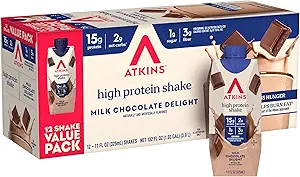
Protein powder requires mixing — you add it to water, milk, or a smoothie. Ready-to-drink (RTD) protein shakes like Premier Protein or Core Power come pre-mixed and ready to consume. RTD shakes are generally better tolerated during high-nausea periods because they require no preparation, can be consumed cold, and come in small sippable bottles. Powder is more cost-effective and flexible for users who are past the worst nausea. Both are effective — choose based on your current tolerance and convenience needs.
Related guides
This page contains affiliate links. We may earn a commission on purchases at no additional cost to you. Nothing on this site constitutes medical advice. Always consult your healthcare provider before starting any supplement regimen alongside GLP-1 medications.