Nausea Relief
Nausea is the most common GLP-1 side effect, affecting roughly 50% of users — particularly in the first few months and after dose increases. Ginger has the strongest evidence of any natural intervention for nausea, with multiple clinical trials supporting it. Small, bland meals and adequate hydration are equally important.
How we chose these products
Every product in this category is assigned an evidence tier — Strong, Moderate, or Emerging— based on the clinical research behind the key ingredient category. Products labeled “GLP-1 Specifically Labeled” are formulated or marketed directly for GLP-1 medication users.
Our composite score weights evidence tier, Amazon rating, and review volume. Products are sorted by composite score by default. We earn affiliate commissions on purchases, which does not influence our ratings.
What to look for
Ginger (as capsules, tea, or chews) has the most clinical evidence of any natural anti-nausea intervention — multiple randomized controlled trials support its use for chemotherapy-induced and pregnancy-related nausea, both of which share mechanisms with GLP-1-related nausea. Look for standardized gingerol content.
Vitamin B6 (pyridoxine) has evidence for nausea reduction, particularly in pregnancy-related nausea which shares a similar mechanism to GLP-1-induced nausea. Doses of 10–25mg before meals are commonly used.
Acupressure wristbands (P6/Neiguan point) have moderate evidence across multiple nausea types. They're drug-free, have no side effects, and some users find them surprisingly effective — particularly for motion sickness-like nausea triggered by GLP-1 medications.
Top picks — 11 products
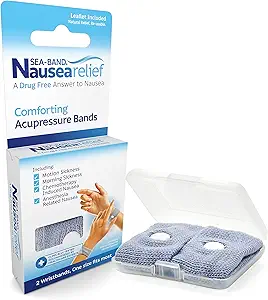
Sea-Band
Sea-Band Sea-Band Anti-Nausea Acupressure Wristband for Motion & Morning Sickness

Ships from brand website
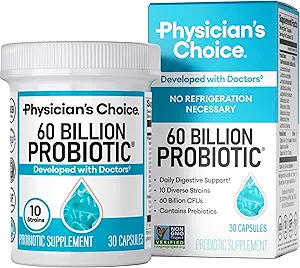
Physician's CHOICE
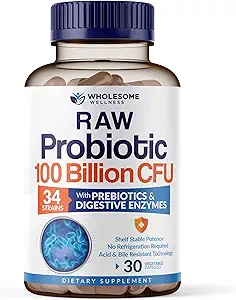
Physician's CHOICE Probiotics 60 Billion CFU - 10 Strains + Organic Prebiotics - Immune
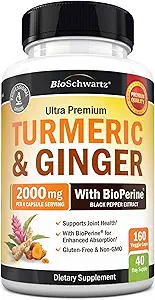
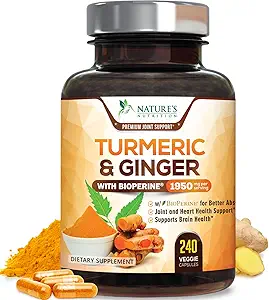
Nature's Nutrition
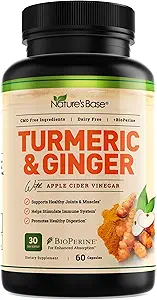
Turmeric Curcumin Supplement - 95% Curcuminoids with Organic Turmeric & Ginger
Related reading
Other useful categories for GLP-1 users
Frequently asked questions
Why does Ozempic or Wegovy cause nausea?
GLP-1 medications cause nausea by slowing gastric emptying (food stays in your stomach longer) and by directly activating GLP-1 receptors in the brain's nausea center (area postrema). Nausea is most common in the first few weeks at each dose level and typically improves as your body adapts. Up to 50% of users experience it, but severe nausea that prevents eating is less common.
How long does nausea last on GLP-1 medications?
Nausea is typically worst in the first 1–4 weeks after each dose increase and usually improves substantially as your body adapts to the new dose. Most users find nausea is much less problematic 4–6 weeks into any given dose. If nausea is severely impacting your quality of life, talk to your prescriber about slowing the dose escalation.
Does ginger actually help with Ozempic nausea?
Ginger has the strongest evidence of any natural intervention for nausea. Multiple clinical trials demonstrate its effectiveness for chemotherapy-induced and pregnancy-related nausea, both of which share mechanisms with GLP-1-related nausea. Ginger capsules (1g standardized extract) taken 30–60 minutes before meals are the most studied format.
What foods help with Ozempic nausea?
Small, bland, low-fat meals are consistently the best dietary approach for GLP-1 nausea. Fatty foods slow gastric emptying further (already slowed by the medication), worsening nausea. Cold or room-temperature foods are often better tolerated than hot foods. Crackers, toast, plain rice, and bananas are classic options. Eating slowly and not lying down after eating also helps.