Best Ready-to-Drink Protein Shakes for Ozempic Users
Ready-to-drink protein shakes are uniquely well-suited to the Ozempic experience. When nausea is at its worst — often in the first weeks after a dose increase — the last thing most users want is to mix a powder or prepare food. A cold protein shake can often be tolerated when nothing else can.
Last updated: April 6, 2026
Ready-to-drink protein shakes are uniquely well-suited to the Ozempic experience. When nausea is at its worst — most often in the first 1–2 weeks after each dose increase — the last thing most users want is to prepare or cook food. A cold protein shake sipped slowly through the morning can be tolerated when almost nothing else can.
The math here is worth understanding. Clinical guidelines for GLP-1 users recommend 1.2–1.6 grams of protein per kilogram of body weight daily — roughly 90–120 grams for a 165-pound person. When Ozempic cuts your appetite by up to 39%, you lose roughly 40% of your dietary protein intake alongside it. RTD shakes close this gap with zero meal prep, zero cooking smell, and a format you can sip over 30–45 minutes.
Up to 40% of weight lost on semaglutide can be lean muscle rather than fat if protein intake is insufficient. Protein shakes directly address the most critical nutritional risk of GLP-1 therapy. Browse all protein supplements for GLP-1 users to compare both RTD and powder options.
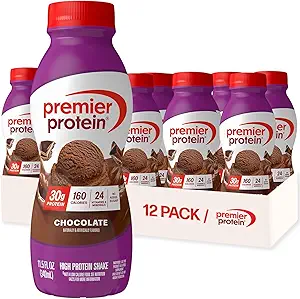
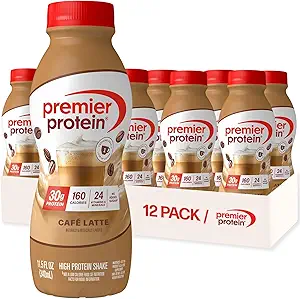
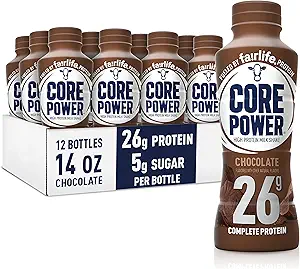
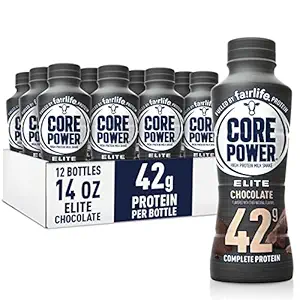
For Ozempic users specifically, the low-fat content of RTD shakes like Premier Protein and Core Power (Fairlife) is as important as the protein content. GLP-1 medications already slow gastric emptying — the rate at which food leaves your stomach. Adding a high-fat shake on top of this significantly worsens nausea. Low-fat formulas (under 5g fat per serving) are noticeably better tolerated by most users. For a full supplement overview, see what to take with Ozempic.
Why this matters on GLP-1 therapy
This guide focuses on protein supplementation for Ozempic users — one of the most commonly under-addressed aspects of GLP-1 therapy. Adequate protein support is considered essential by most GLP-1-informed practitioners.
What to look for in a protein supplement for Ozempic users
- 1
At least 20–25g of protein per serving
This is the threshold shown in clinical research to maximally stimulate muscle protein synthesis per meal. Shakes with 10–15g of protein are better than nothing, but fall short of what GLP-1 users with reduced meal frequency actually need.
- 2
Low fat (under 5g per serving)
Semaglutide already slows gastric emptying. Fat slows it further. High-fat shakes — anything above 6–8g per serving — noticeably worsen nausea in most users, particularly in the first 2–3 days after injection.
- 3
Low sugar (under 5g) or no added sugar
Blood sugar stability matters more on GLP-1 therapy, particularly for users managing type 2 diabetes. High-sugar protein shakes (some have 20–30g) undermine the metabolic goals of treatment and can cause energy crashes.
- 4
Lactose-free or ultrafiltered milk base
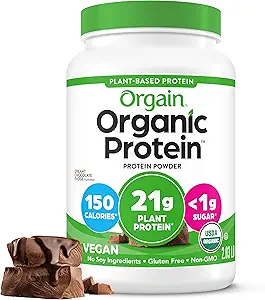
GI sensitivity is elevated on semaglutide. Standard whey protein concentrates contain significant lactose; ultrafiltered milk products like Fairlife/Core Power remove most of it. If you're sensitive to dairy, look for plant-based RTD options from Orgain or similar brands.
- 5
Sippable bottle format (not a wide-mouth jug)
A shake you consume slowly over 20–30 minutes is significantly better tolerated during nausea than something you drink quickly. Single-serve 11–12oz bottles are ideal for the pace most GLP-1 users need.
What to avoid
High-fat meal replacement shakes
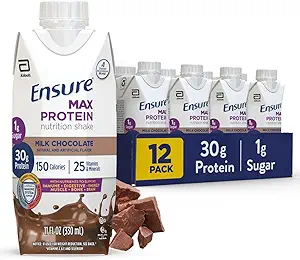
Traditional meal replacement shakes like Ensure or certain Huel formulations contain 8–15g of fat per serving. This slows gastric emptying further on top of what Ozempic is already doing, and is a common cause of worsened nausea. Fat content under 5g is the target.
High-sugar formulas (over 12g)
Some "protein" shakes marketed for weight loss or muscle gain contain 20–25g of sugar per serving. This is counterproductive for GLP-1 users and can destabilize blood sugar in ways that amplify energy crashes and cravings.
Carbonated protein drinks
Bloating and gas are already common side effects of GLP-1 medications. Carbonated protein beverages — a small but growing product category — significantly worsen this. Avoid anything sparkling or effervescent during active GLP-1 therapy.
Our top picks for protein on Ozempic
Ranked by evidence quality and customer ratings. All products are independently selected.
Browse all protein products
Filter by form, evidence tier, and dietary needs
Frequently asked questions
Can I drink protein shakes on Ozempic?
Yes — and for most users, protein shakes are one of the most practical supplements to take on Ozempic. When appetite suppression makes eating enough protein through food alone nearly impossible, a single protein shake can close 25–30% of your daily protein gap. Most users tolerate them well even during the nausea phase, particularly when consumed cold and sipped slowly over 20–30 minutes.
How much protein do I need on Ozempic?
Clinical guidelines for GLP-1 users recommend 1.2–1.6 grams of protein per kilogram of body weight daily — higher than general population recommendations. For a 165-pound (75kg) person, that means 90–120 grams per day. Without supplementation, most users on Ozempic fall significantly short of this, which is a direct driver of lean muscle loss during treatment.
What protein shake is best for nausea on Ozempic?
Cold, low-fat, lactose-reduced RTD shakes are best tolerated during the nausea phase. Core Power (Fairlife) and Premier Protein are the most consistently recommended by users managing GLP-1 nausea — both have under 3g of fat and ultrafiltered milk that reduces lactose. Avoid anything warm, high-fat, or strongly flavored when nausea is active.
Is Premier Protein good for Ozempic users?
Premier Protein is one of the best-value options for Ozempic users — 30g protein, 160 calories, 1g sugar, and approximately 3g fat per shake. The low fat content is particularly important for nausea management. The main trade-off is that it contains sucralose (an artificial sweetener), which some users prefer to avoid, and the protein source is a blend rather than pure whey isolate.
When should I drink a protein shake on Ozempic?
The best time is whenever you are most likely to actually consume it. Morning is popular because it addresses the protein deficit early in the day before appetite suppression peaks. If nausea is worst in the morning — common in the first weeks after injection — try mid-morning or early afternoon instead. Spacing protein intake across the day supports better muscle protein synthesis than consuming it all at once.
Can I drink Core Power on semaglutide?
Core Power (by Fairlife) is one of the most recommended RTD protein shakes for semaglutide users specifically. It provides 26–42g of protein depending on the size, uses ultrafiltered milk that removes most lactose, and has a relatively low fat content. The Fairlife milk base also gives it a creamier texture than most RTD shakes, which many users find more tolerable during the nausea phase.
Related guides
This page contains affiliate links. We may earn a commission on purchases at no additional cost to you. Nothing on this site constitutes medical advice. Always consult your healthcare provider before starting any supplement regimen alongside GLP-1 medications.