Best Collagen Supplements for Ozempic Hair Loss
Hair loss is one of the more distressing side effects of GLP-1 therapy, affecting a meaningful percentage of users — particularly those losing weight rapidly. The mechanism is telogen effluvium: the physical stress of rapid weight loss triggers hair follicles to enter a resting phase prematurely, leading to shedding 2–4 months after the trigger. Read our full Ozempic hair loss guide for the complete picture.
Last updated: April 6, 2026
Hair loss is one of the most emotionally distressing side effects of Ozempic therapy — and one of the most misunderstood. The mechanism is telogen effluvium: the physiological stress of rapid weight loss triggers hair follicles to prematurely enter the resting (telogen) phase. Two to four months later, the follicles shed the hairs they have been holding in the telogen phase, causing sudden, diffuse shedding. Notably, this is not damage to the follicle itself — it is a temporary shift in the follicle's growth cycle. Hair almost always regrows fully within 3–6 months of the peak shedding phase. Read our complete Ozempic hair loss guide for the full picture.
The most important thing you can do for Ozempic-related hair loss is not find the best collagen product — it is to ensure adequate protein intake. Hair is made of keratin, a structural protein, and protein deficiency is the most direct driver of both telogen effluvium severity and the speed of regrowth. Research on hair loss during caloric restriction consistently shows that protein adequacy is the primary modifiable nutritional factor. Pair any hair-focused supplement with a daily protein powder and a comprehensive multivitamin to address the full nutritional picture. Browse all skin and hair supplements for GLP-1 users.
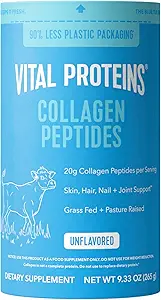
Hydrolyzed collagen peptides — particularly Type I and III — have the strongest evidence of any supplement for both skin elasticity and hair quality, beyond biotin alone. Vital Proteins Collagen Peptides and Sports Research Collagen Peptides are the two most consistently reviewed options, both providing 10–12g of hydrolyzed Type I and III collagen per serving. Products providing at least 10g per serving are used in clinical research; single-gram doses found in collagen capsules are likely sub-therapeutic. Unflavored collagen powder mixes invisibly into coffee, tea, or a protein shake — making it easy to incorporate without changing eating habits.
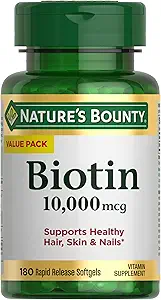
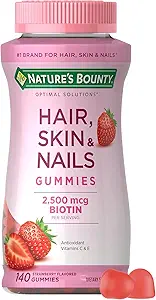
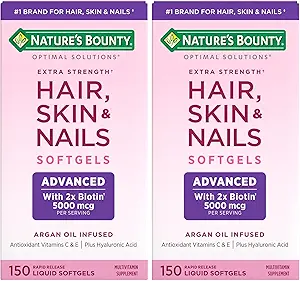
Biotin, the supplement most strongly marketed for hair loss, has weaker evidence than collagen for most users. Biotin deficiency does cause hair loss, but true biotin deficiency is rare in adults who are eating reasonably — most people get adequate biotin from eggs, nuts, and seeds. Nature's Bounty Biotin 10,000mcg is inexpensive and widely used, and it is reasonable to take during Ozempic-related hair loss if you are not meeting biotin through food, but clinical evidence does not support biotin supplementation for telogen effluvium in people without deficiency. The supplement hierarchy for Ozempic hair loss: (1) protein adequacy, (2) comprehensive multivitamin with B vitamins and zinc, (3) collagen peptides, and (4) biotin as a low-cost addition with limited downside. For the complete supplement overview, see what to take with Ozempic.
Why this matters on GLP-1 therapy
This guide focuses on skin & hair supplementation for Ozempic users — one of the most commonly under-addressed aspects of GLP-1 therapy. Adequate skin & hair support is considered essential by most GLP-1-informed practitioners.
What to look for in a skin & hair supplement for Ozempic users
- 1
Hydrolyzed collagen peptides (not gelatin)
Hydrolyzed collagen has been broken down into shorter peptide chains that are absorbed into the bloodstream after digestion. Gelatin is the same protein but in a non-hydrolyzed form — it gels in liquid and is absorbed less efficiently. All of the products with clinical evidence for skin and hair use hydrolyzed collagen. Check the label for "hydrolyzed collagen peptides" rather than just "collagen" or "gelatin."
- 2
Type I and III collagen — not Type II
Type I collagen is the most abundant collagen in skin and hair. Type III is also found in skin and supports elasticity. Type II collagen is found in cartilage and is the form used for joint health supplements — it is not appropriate as a primary choice for skin and hair support. Look for products explicitly stating "Type I and III" on the label, which all of the well-reviewed skin/hair collagen products use.
- 3
At least 10g of collagen protein per serving
Clinical studies on collagen's effects on skin elasticity and hair quality have used doses of 10–15g of hydrolyzed collagen peptides daily. Products providing 2.5–5g per serving (found in many gummy and capsule formats) are below the doses used in research. Powder formats are the most efficient way to reach therapeutic doses without requiring multiple capsules.
- 4
Includes vitamin C for collagen synthesis
Vitamin C is a required cofactor for the enzymes that cross-link collagen fibrils — without adequate vitamin C, collagen synthesis is impaired regardless of collagen intake. Products that pair collagen with 50–100mg of vitamin C (like Vital Proteins Collagen Peptides Advanced) provide the cofactor alongside the substrate. If using an unflavored collagen powder without added vitamin C, mix it into an orange juice or vitamin C-containing drink.
- 5
Grass-fed or marine collagen for better sustainability and purity
Bovine collagen from grass-fed sources and marine collagen from wild-caught fish are associated with fewer contaminants and better sustainability. Conventional feedlot collagen can contain higher levels of heavy metals and antibiotics. For a supplement you plan to take daily for months, quality sourcing matters. Sports Research and Vital Proteins both explicitly state their sourcing.
What to avoid
Collagen products as substitutes for protein supplementation
Collagen is not a complete protein — it is missing tryptophan and is low in several other essential amino acids. It cannot replace the role of whey, plant-based, or other complete proteins in maintaining muscle mass and supporting overall hair health on Ozempic. Collagen and protein powder serve different functions: use both, not one instead of the other.
High-dose biotin alone without addressing protein
Many hair supplement products focus heavily on biotin at 5000–10,000mcg and neglect protein adequacy. For Ozempic users, this is backwards — protein is the primary driver of hair health and collagen is the secondary supplement. Biotin at reasonable doses is inexpensive and harmless, but should not be the centerpiece of a hair loss strategy when protein deficiency is the more significant issue.
Expecting supplements to stop active telogen effluvium
Once telogen effluvium has been triggered, no supplement can stop the shedding phase — the follicles are in a programmed resting cycle that must complete. Supplements (protein, collagen, biotin, zinc, multivitamin) support the quality and speed of regrowth once the shedding phase ends. Setting realistic expectations prevents supplement-hopping in search of an impossible outcome, and ensures you stay consistent with the interventions that actually matter.
Our top picks for skin & hair on Ozempic
Ranked by evidence quality and customer ratings. All products are independently selected.
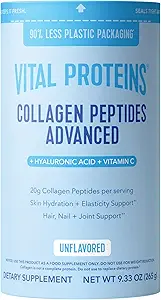
Vital Proteins
Vital Proteins Collagen Peptides Powder Advanced
Also available in larger sizes
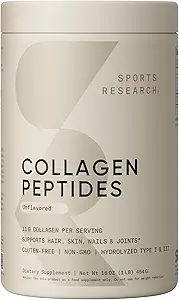
Sports Research
Sports Research Collagen Peptides - Hydrolyzed Type 1 & 3 Collagen Powder Protein Supplement for Healthy Skin
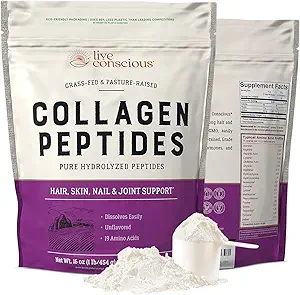
Live Conscious
Live Conscious Collagen Peptides Powder - Naturally-Sourced Hydrolyzed Collagen Powder - Hair
Vital Proteins
Vital Proteins Collagen Peptides Powder
Available in multiple sizes (10 oz, 20 oz, 24 oz)

Browse all skin & hair products
Filter by form, evidence tier, and dietary needs
Frequently asked questions
Does Ozempic cause hair loss?
Yes — hair loss (telogen effluvium) is a recognized side effect of Ozempic and GLP-1 medications more broadly. The mechanism is rapid weight loss rather than a direct pharmacological effect of semaglutide. The FDA prescribing information for tirzepatide (Mounjaro/Zepbound) explicitly lists hair loss as a reported side effect. The condition is almost always temporary — hair typically regrows fully within 3–6 months of the peak shedding phase. Read the full Ozempic hair loss guide.
What is the best collagen supplement for Ozempic hair loss?
Vital Proteins Collagen Peptides Advanced is the market leader with hyaluronic acid and vitamin C included. Sports Research Collagen Peptides is an excellent peer at a better price point with third-party testing. Both provide Type I and III hydrolyzed collagen at 10–11g per serving. Mix unflavored powder into your morning coffee or protein shake.
How long until collagen helps with Ozempic hair loss?
Collagen supplements support hair regrowth after the telogen effluvium shedding phase ends — they do not stop the initial shedding. You are likely to see the peak shedding 2–4 months after the rapid weight loss trigger, with regrowth beginning 1–3 months after peak shedding. Consistently taking collagen (along with protein and a multivitamin) throughout this period sets up the best conditions for full regrowth. Most users see meaningful improvement by month 6 of consistent supplementation.
Is biotin or collagen better for Ozempic hair loss?
Collagen peptides have stronger clinical evidence for hair quality improvement than biotin. Biotin supplementation has demonstrated benefit primarily in people with true biotin deficiency, which is rare. For most Ozempic users experiencing telogen effluvium, protein adequacy is the highest-leverage intervention, followed by collagen peptides (10g+ daily), a comprehensive multivitamin covering zinc and B vitamins, and biotin as a low-cost addition. Both collagen and biotin can be taken simultaneously.
Can I take collagen with my protein powder on Ozempic?
Yes — mix unflavored collagen powder directly into your protein shake. Collagen and whey (or plant-based protein) serve complementary functions: whey provides the complete essential amino acids for muscle protein synthesis, while collagen provides the glycine, proline, and hydroxyproline needed for skin, hair, and connective tissue. The combination in a single shake is efficient and adds only 40–50 calories per tablespoon.
Does collagen powder affect Ozempic's effectiveness?
No. There are no known interactions between collagen supplements and semaglutide or tirzepatide. Collagen peptides are digested and absorbed as amino acids, without any mechanism to affect GLP-1 medication pharmacology. The only indirect consideration is that collagen is not a complete protein — do not reduce whey or plant protein intake under the assumption that collagen is covering your protein needs.
Related guides
This page contains affiliate links. We may earn a commission on purchases at no additional cost to you. Nothing on this site constitutes medical advice. Always consult your healthcare provider before starting any supplement regimen alongside GLP-1 medications.