Best Fiber Supplements for Ozempic Constipation
Constipation is reported by up to 50% of Ozempic users. Semaglutide slows gastric emptying — the rate food moves from your stomach — and this effect extends throughout the digestive system. Combined with reduced food volume, the result is often significant constipation that can persist for months. For a full breakdown, read our Ozempic constipation guide.
Last updated: April 6, 2026
Constipation affects up to 50% of Ozempic users — making it the second most common side effect after nausea. Semaglutide slows gastric emptying throughout the digestive system, not just the stomach. This means food moves more slowly through the small and large intestine, water is reabsorbed from stool over a longer period, and the result is drier, harder stools that are more difficult to pass. Combined with reduced food volume (less bulk to stimulate bowel contractions), Ozempic creates near-ideal conditions for constipation. Read the complete Ozempic constipation guide for the full picture.
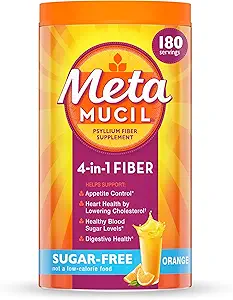
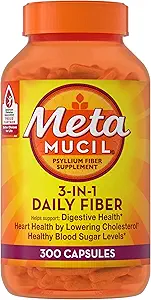
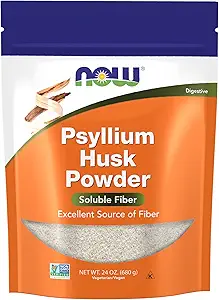
Psyllium husk is the most evidence-supported fiber supplement for constipation relief — period. Multiple randomized controlled trials confirm its efficacy for increasing stool frequency and softening stool consistency. Metamucil 4-in-1 GLP-1 Friendly is the most accessible psyllium product and is explicitly labeled for GLP-1 users — a meaningful signal that Metamucil has recognized this population as a primary use case. NOW Foods Psyllium Husk Powder and Viva Naturals Organic Psyllium offer better per-gram value for users comfortable with unflavored powder. Browse all fiber and gut supplements for GLP-1 users.
The mechanism of psyllium husk matters for Ozempic users specifically: psyllium absorbs water in the gut to form a gel, adding bulk and moisture to stool. This means adequate water intake is a prerequisite — without it, psyllium can paradoxically worsen constipation by absorbing the limited water in the colon. Always take psyllium with a full 8-ounce glass of water and pair fiber supplementation with consistent electrolyte hydration. Start with a half-dose (3.4g instead of 6.8g) and increase over 1–2 weeks to allow the gut to adjust and minimize bloating.
GLP-1 specific fiber products like Supergut GLP-1 Daily Support combine psyllium-type bulk-forming fiber with prebiotic fiber that feeds Akkermansia muciniphila — the gut bacteria most strongly linked to natural GLP-1 production. Research suggests that higher Akkermansia populations are associated with better metabolic outcomes, creating a potential feedback loop with your medication. Vitafusion GLP-1 Support Fiber adds vitamins D, B12, and folate alongside fiber — efficiently combining two supplementation goals in one product. For the complete supplement picture on Ozempic, see what to take with Ozempic.
Why this matters on GLP-1 therapy
This guide focuses on fiber supplementation for Ozempic users — one of the most commonly under-addressed aspects of GLP-1 therapy. Adequate fiber support is considered essential by most GLP-1-informed practitioners.
What to look for in a fiber supplement for Ozempic users
- 1
Psyllium husk as the primary fiber source
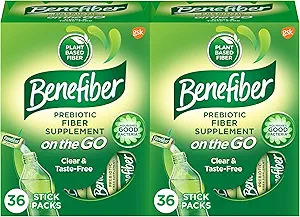
Psyllium has more clinical trial evidence for constipation relief than any other fiber supplement. It works across the full spectrum of constipation severity and has consistent evidence in populations with reduced caloric intake — directly applicable to Ozempic users. Methylcellulose (Citrucel) and wheat dextrin (Benefiber) are alternatives that some users prefer for better tolerance, but neither has the same depth of evidence as psyllium for constipation specifically.
- 2
Sugar-free formulation
Many flavored fiber products — including some Metamucil varieties — contain 3–12g of sugar per serving. For Ozempic users managing blood sugar or working to minimize empty calories, sugar-free formulations are strongly preferred. Metamucil's sugar-free psyllium powder uses aspartame; the orange flavor is the most widely tolerated. Pure unflavored psyllium powder has zero sugar and minimal taste impact when mixed in water.
- 3
GLP-1 labeled or specifically formulated for this population
Products explicitly labeled for GLP-1 users — Metamucil GLP-1 Friendly, Supergut GLP-1 Daily Support, Vitafusion GLP-1 Support — have been formulated with awareness of the specific constipation and gut health profile of GLP-1 therapy. This is not just marketing: some include prebiotics, vitamin D, and B12 that address multiple GLP-1 nutritional gaps simultaneously.
- 4
Prebiotic fiber components for gut microbiome support
Prebiotic fibers like inulin, FOS (fructooligosaccharides), and resistant starch feed the beneficial gut bacteria that naturally produce GLP-1 endogenously. While these fibers alone are not substitutes for GLP-1 medication, supporting the gut microbiome creates a beneficial environment for the medication to work. Products combining psyllium with prebiotics (Supergut, some Metamucil gummies) address both constipation and gut health simultaneously.
- 5
Capsule or gummy options for texture-sensitive users
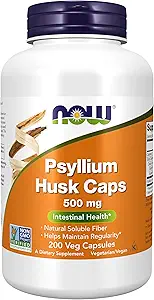
Some users find psyllium powder's gelling texture unpleasant, particularly when already managing nausea on Ozempic. [NOW Foods Psyllium Husk Capsules](/products/now-foods-supplements-psyllium-husk-caps-500-mg-non-gmo-project-verified-natural-soluble-fiber-intestinal-health-200-veg-capsules) offer the same psyllium benefit without the texture — take 3–6 capsules with a large glass of water. Fiber gummies are another alternative for texture-averse users, though they typically provide less fiber per serving than powder or capsule forms.
What to avoid
Stimulant laxatives as a first-line response
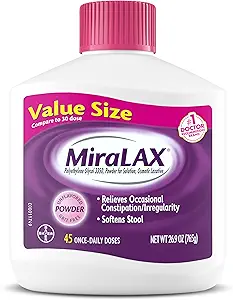
Products containing senna, bisacodyl, or cascara sagrada (found in some "colon cleanse" products) work by irritating the intestinal lining to force contractions. While effective for acute constipation, regular use of stimulant laxatives creates dependence and can worsen bowel function over time. For the ongoing constipation that Ozempic creates, bulk-forming psyllium fiber and adequate hydration are the appropriate first-line approach. MiraLAX (osmotic laxative) is a more appropriate pharmaceutical option for intermittent use when fiber is insufficient.
High-fiber products that cause excessive gas and bloating
Inulin and FOS-heavy products — while beneficial for gut health — ferment rapidly in the colon and produce significant gas, particularly when introduced at full doses in a GI system already disrupted by semaglutide. Start any prebiotic fiber at half the recommended dose and increase slowly over 2–3 weeks. If bloating is severe, step down to pure psyllium without prebiotic additives.
Fiber bars and high-fiber processed snacks as supplements
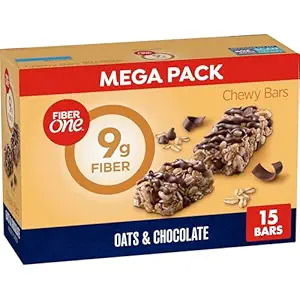
Fiber One bars, high-fiber cereals, and similar processed snack products contain fiber but also significant sugar, artificial sweeteners, and calories. For GLP-1 users trying to maximize nutritional density from limited caloric intake, these are poor vehicles for fiber supplementation. Pure fiber supplements (psyllium powder, capsules, or clean gummies) deliver more fiber per calorie and without the sugar load.
Our top picks for fiber on Ozempic
Ranked by evidence quality and customer ratings. All products are independently selected.
Browse all fiber products
Filter by form, evidence tier, and dietary needs
Frequently asked questions
Why does Ozempic cause constipation?
Semaglutide slows gastric emptying — the rate at which food leaves your stomach — as part of its mechanism for reducing appetite and controlling blood sugar. This slowing effect extends throughout the digestive system, causing food to move more slowly through the small and large intestine. As stool spends more time in the colon, more water is absorbed from it, making it drier and harder to pass. Reduced food volume from appetite suppression means less bulk to trigger intestinal contractions, compounding the problem. Read the full constipation on Ozempic guide.
What fiber supplement is best for Ozempic constipation?
Psyllium husk has the strongest clinical evidence for constipation relief of any fiber supplement. Metamucil GLP-1 Friendly is the most accessible starting point. For better value, NOW Foods Psyllium Husk Powder or Viva Naturals Organic Psyllium provide more psyllium per dollar.
How much psyllium should I take on Ozempic?
Start with a half-dose — approximately 3–4g of psyllium husk — mixed in 8–12oz of water once daily. After one week without GI disturbance, increase to a full dose (6–7g) once or twice daily. Always take psyllium with a large glass of water. The key failure mode with psyllium is taking too little water alongside it — without adequate hydration, psyllium absorbs water from the colon rather than softening stool.
Can I take MiraLAX with Ozempic?
Yes. MiraLAX (polyethylene glycol 3350) is an osmotic laxative that draws water into the colon. It is generally well-tolerated, has no significant drug interactions with semaglutide, and is appropriate for intermittent use when psyllium fiber alone is insufficient. It is not ideal for daily long-term use compared to dietary fiber, but as an occasional intervention for significant constipation on Ozempic, it is safe and effective.
Does fiber supplementation affect how Ozempic works?
Not directly — fiber does not affect semaglutide's pharmacology. However, prebiotic fibers that increase populations of Akkermansia muciniphila and other beneficial gut bacteria may modestly increase endogenous GLP-1 production from gut L-cells, creating a complementary (not competing) effect. There is no evidence that fiber supplementation reduces the efficacy of prescribed GLP-1 medications.
When is the best time to take fiber supplements on Ozempic?
Morning, 30 minutes before your largest meal, or before bed — but always with a large glass of water. Taking psyllium before a meal can further reduce appetite and slow gastric emptying, which some Ozempic users find helpful for portion control. Taking it before bed allows overnight action with morning bowel movement timing. Avoid taking psyllium within 2 hours of other medications, as it can bind to some drugs and reduce their absorption.
Related guides
This page contains affiliate links. We may earn a commission on purchases at no additional cost to you. Nothing on this site constitutes medical advice. Always consult your healthcare provider before starting any supplement regimen alongside GLP-1 medications.